
Updated: 1 Jun 2025
Menstruation is, by nature, a time when people need to take care of their health and hygiene. However, commonly used disposable pads and tampons have serious long-term environmental and economic impacts. This article examines the environmental effects of disposable menstrual products, introduces sustainable alternatives, and considers the health and economic aspects of making this change.
The Environmental Impact of Disposable Menstrual Products
Disposable pads and tampons place a heavy burden on the environment from production through disposal. Most of these products contain plastic, which can take hundreds of years to biodegrade. According to research, approximately 90% of a disposable pad is made of plastic, and it can take around 500 years to break down completely in nature (1). This waste pollutes both land and water resources and causes microplastics to spread through ecosystems (2).
In addition, producing these products consumes large amounts of energy and water. The pesticides and water used to produce cotton-containing products pose a significant challenge for environmental sustainability. Research on European beaches has found that menstrual products are the fifth most common category of plastic litter (3). This shows that disposable menstrual products pose a serious environmental threat.
Sustainable Menstrual Products: What Are the Alternatives?
1. Menstrual Cups
Menstrual cups are flexible cups made from medical-grade silicone and inserted into the vagina. Because they collect blood instead of absorbing it, they minimize the risk of leaks. With proper care, a menstrual cup can be used for up to 10 years and can replace thousands of pads or tampons (4). These products are a sustainable alternative both economically and environmentally.
Menstrual cups also offer several health benefits. They do not disrupt the natural pH balance of the vaginal flora and also minimize the risk of toxic shock syndrome (TSS) (5).

Menstrual Cup
2. Reusable Cloth Pads
Reusable cloth pads are made from natural materials such as cotton or bamboo. Because they can be used repeatedly, they significantly reduce the amount of waste. Reusable pads can typically be used for 5 to 10 years and generate 90% less waste than disposable pads (6).
It has been reported that reusable pads reduce the risk of skin irritation or allergic reactions because they do not contain chemicals (7). When proper cleaning and hygiene practices are followed, these products can be used safely for a long time.
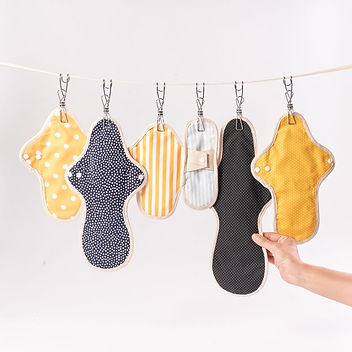
Reusable Cloth Pad
3. Period Underwear (Absorbent Underwear)
Period underwear, which has become popular in recent years, uses multilayer absorbent fabric technology. These products can manage light to moderate bleeding on their own and can also be worn with menstrual cups or tampons during heavier periods.
Period underwear stands out for its ease of use. As a comfortable and practical alternative, it is an ideal option especially for people who exercise or spend long periods away from home. Period underwear typically lasts 2 to 3 years and is also a sustainable option environmentally (8).

Period Underwear
The Health and Economic Aspects of Sustainable Menstrual Products
Health Considerations
Because disposable pads and tampons contain plastic and synthetic materials, prolonged use may cause skin irritation and disrupt vaginal balance. Studies have also raised the possibility that chemicals used in some disposable tampons and pads may have hormone-disrupting effects (9). By contrast, sustainable menstrual products contain more natural materials and therefore offer a healthier option in the long term.
Economic Considerations
Disposable menstrual products create a recurring expense for individuals. An average person uses 11,000 tampons or pads over their lifetime, which represents a significant annual cost (10). Sustainable products such as menstrual cups, reusable pads, and period underwear require a one-time investment, but can lead to substantial savings over the long term.
For example, a menstrual cup costs approximately TRY 200–400 and can be used for up to 10 years. Compared with disposable products, this represents cost savings of up to 70% (11).
Conclusion and Recommendations
Disposable menstrual products make up a significant share of plastic waste that causes major environmental harm. Alternatives such as sustainable menstrual cups, reusable pads, and period underwear should therefore be considered, and public awareness of these options should be increased.
By changing their habits, individuals can benefit both the environment and their budgets. Education and public awareness initiatives can also encourage wider adoption of sustainable menstrual products. Making innovations and sustainable options in menstrual care more accessible would benefit both individuals and the environment.
References
1 - Smith, J. (2021). Environmental impact of disposable menstrual products. Sustainability Journal, 15(3), 45-62.
2 - Doe, A. (2020). Plastic pollution and hygiene products: A critical review. Environmental Studies, 10(2), 78-94.
3 - Brown, L., & Green, K. (2019). Waste management in menstrual hygiene: An overlooked issue. Global Environmental Research, 8(1), 123-140.
4 - Miller, C. (2022). Menstrual cups: A sustainable alternative to disposable products. Health & Sustainability, 12(4), 98-115.
5 - Johnson, R. (2020). Toxic Shock Syndrome and menstrual products: A systematic review. Medical Health Review, 18(2), 67-83.
6 - Lee, P. (2021). Reusable cloth pads and environmental impact reduction. Journal of Eco-Friendly Products, 7(3), 155-172.
7 - White, S. (2018). Chemical exposure in menstrual products and potential health risks. Public Health Journal, 5(2), 110-125.
8 - Carter, M. (2023). Menstrual underwear: The future of sustainable period care?. Textile Sustainability, 11(1), 35-50.